
In cases where individuals forget or are unable to make a monthly premium payment, their insurance may lapse, leaving them vulnerable to financial risk. Once the premium is paid, the policyholder is guaranteed continuous coverage for the entire term, regardless of their payment habits. One of the significant advantages of prepaid insurance is the potential for cost savings. Many insurers offer discounted rates for customers who choose prepaid insurance to pay for their insurance upfront.
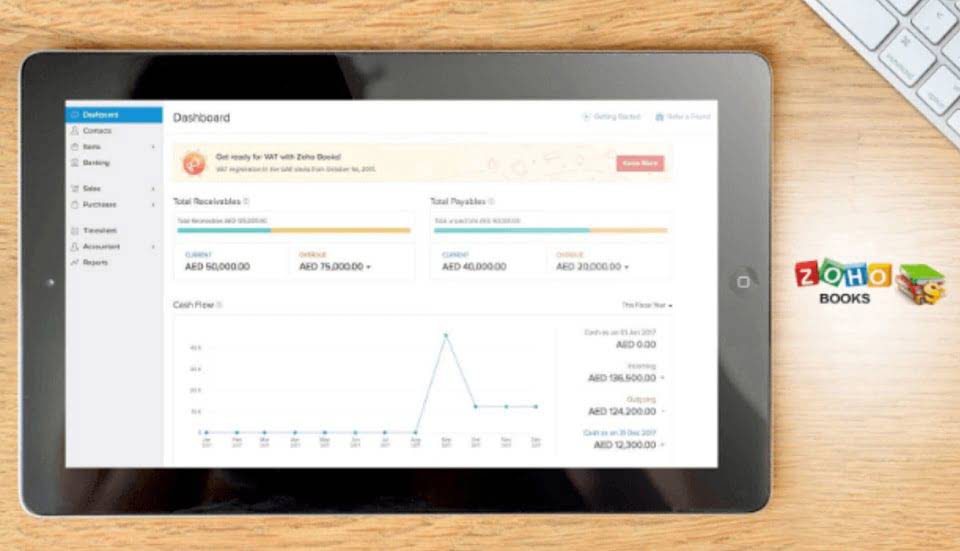
Balance Sheet
Under this arrangement, the premium amount is deducted from the employee’s gross pay before taxes are calculated. The age at which you begin coverage will determine your premium amount, along with other risk factors (such as your current health). Conversely, the older you get, the more you pay in premiums to your insurance company. When it comes to the ACCA syllabus, a prepaid insurance journal entry is addressed under the Financial Accounting (FA) and Financial Reporting (FR) papers. This assists students with comprehension on how to implement accrual accounting methods, asset type and expense matching–all of which are helpful in generating accurate financial statements.
Common State Nuances for Self-Employed Health Deduction
- The precise amount of the credit is determined by a sliding scale that reduces the credit as the MAGI increases relative to the FPL.
- Under this arrangement, the premium amount is deducted from the employee’s gross pay before taxes are calculated.
- Currently, only the amount of total unreimbursed medical expenses that exceeds 7.5% of the taxpayer’s AGI is deductible.
- The credit is calibrated to ensure that the cost of the second-lowest cost Silver plan in the area, known as the benchmark plan, does not exceed a certain percentage of the household income.
- It will be classified as an expense over the insurance coverage term.
Imagine you own a small business that relies heavily on a specific piece of machinery that is crucial to your operations. You decide to purchase prepaid insurance for this machinery for a period of one year. You pay the premium upfront, ensuring coverage against any potential losses or damages to the machinery during that year. Post a comment below if you have additional questions about recording your monthly insurance premiums in QBDT. Cloud accounting systems like QuickBooks Online and Xero seamlessly record insurance expenses across periods.

Health Insurance – Oscar Health Insurance

Prepaid Insurance is the insurance premium paid by a company in an accounting period that didn’t expire in the same accounting period. Therefore, the unexpired portion of this ledger account insurance will be shown as an asset on the company’s balance sheet. Certain types of insurance policies deviate from the standard tax and accounting treatment. Key Person Life Insurance is a significant exception where the standard rules do not apply. Premiums paid for a life insurance policy on a business owner or executive are not tax-deductible if the business is the beneficiary of the policy proceeds. Prepaid Insurance represents the future economic benefit of coverage that has been paid for but not yet consumed.
- A current asset is an asset that a company expects to use or convert into cash within one year or within its normal operating cycle, whichever is longer.
- This ensures that the company is not inflating its expenses in the year the insurance was purchased, and the expense matches the coverage period.
- If your credits cover most of your insurance, you can only deduct what you personally paid after credits.
- Certain types of insurance policies deviate from the standard tax and accounting treatment.
The company has paid $10,000 of the insurance premium for the entire year at the beginning of the first quarter. In this case, Prepaid Insurance is classified as current assets Payroll Taxes on the Balance Sheet, as shown below. From a practical perspective, you will want to identify those prepaid insurance, dues and service contracts.
- Premiums for Personal Use Insurance are never deductible as a business operating expense.
- The short answer is that insurance is typically recorded as a debit.
- Individuals who are not self-employed and who elect to itemize their deductions on Schedule A may include health insurance premiums as a medical expense.
- Regulations require insurers to notify policyholders of rate changes, providing explanations for adjustments.
- If your advance credits were too high, Form 7206 will ask you to check “repayment” and limit your deduction (premium credit explanation).
- However, it also introduces complexities in accounting, particularly when adhering to GAAP standards.
It’s important to review the policy carefully before purchasing to understand the coverage limits, deductibles, and exclusions. Prepaid insurance policies are commonly used in the business world, particularly by companies that want to manage their risks and protect their assets. However, individuals can also opt for prepaid insurance to safeguard their personal belongings, homes, or even their lives. A strict constraint on this deduction involves alternative coverage eligibility.
When to Debit vs Credit Insurance
We’ll also cover the impact prepaid insurance has on financial statements, including the balance sheet and income statement. Prepaid expenses are expenses that are bought or paid for in advance, and may include things like insurance, rent, utilities, and subscriptions. Individuals benefit from prepaid expenses to make sure they will not miss payments for things like health insurance. Prepaid insurance premiums are deductible when paid as long as they don’t apply to a period extending more than 12 months after the end of the taxable year when the payments were made.

Prepaid Insurance and Its Role in Business Accounting
This could mean paying back taxes, with penalties and interest (more about IRS penalties). A self-employed person is someone who reports business income on IRS forms like Schedule C or F, or gets a Form K-1 as a member or partner in a firm. You must pay the insurance yourself, or have your company pay and include it as income on your taxes. DR Insurance Expense CR PrepaidMaking sure to record the entries for the months that have already passed, until the prepaid account is depleted.